

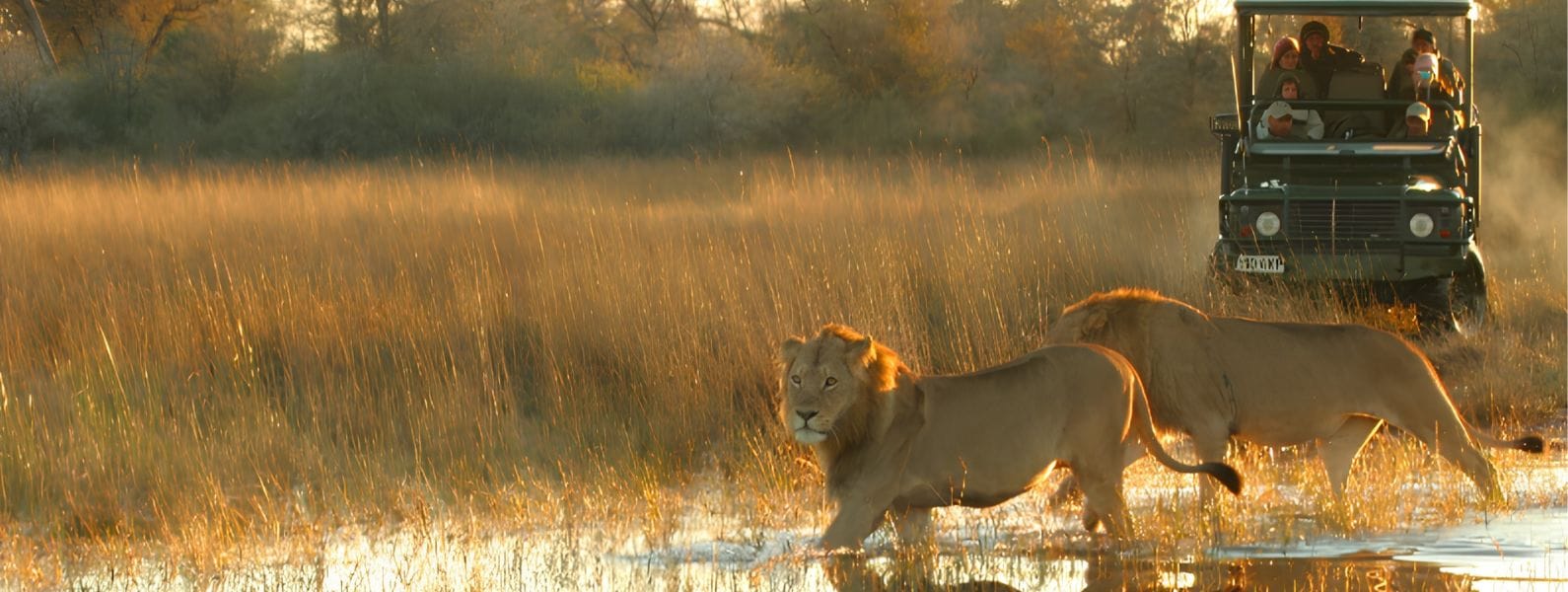
Why Look Beyond the Big Five?
The Big Five remain an important part of an African safari, but the most memorable journeys are often defined by what happens between the major wildlife sightings. Walking through the bush, drifting down a river, watching birds at sunrise, meeting local communities or simply sitting quietly beside a waterhole can become the moments travellers remember most.
Zambia, Kenya and Botswana offer particularly strong opportunities to build a safari around these experiences. Each destination has its own character: Zambia is renowned for walking and river safaris, Kenya combines classic wildlife with strong conservancy and cultural experiences, and Botswana turns waterways into a central part of the safari.
For travellers planning a luxury African safari, thinking in terms of experiences rather than only destinations can create a more personal itinerary.
Walking Safaris in Zambia
South Luangwa is one of Africa’s best-known walking safari destinations, offering travellers the chance to explore the bush with experienced guides rather than viewing everything from a vehicle.
Properties such as Flatdogs Camp and Kafunta River Lodge can be considered for South Luangwa, while Kafue and Lower Zambezi can add different landscapes to the walking experience. A walking-focused itinerary is particularly appealing to repeat safari travellers who want to go deeper into the ecosystem.
River Safaris in Zambia
Lower Zambezi is where the river becomes the centre of the safari. Canoeing, boating, fishing and sunset cruises allow travellers to experience wildlife from the water.
Elephants along the river, hippos in channels and birdlife around the wetlands create sightings that feel very different from a vehicle safari. The river also introduces a natural balance between adventure and relaxation.
Baines River Camp, Royal Zambezi, Sausage Tree Camp and Potato Bush Camp can be considered for travellers who want a luxury Lower Zambezi experience built around both land and water.
The Okavango Delta by Mokoro
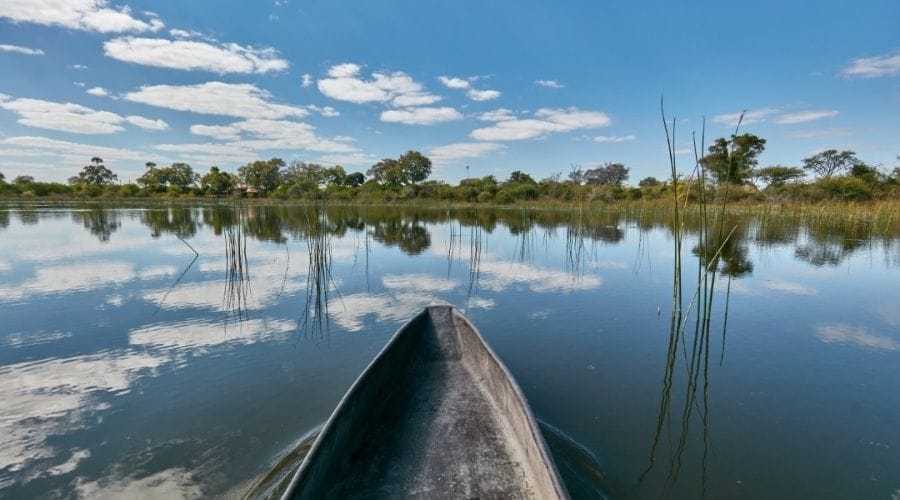
In Botswana, the mokoro offers one of the most distinctive ways to experience the Okavango Delta. A traditional dugout canoe moves quietly through shallow channels, allowing travellers to experience the landscape at water level.
Xaoo Safari Camp is particularly associated with mokoro experiences, while the wider Okavango region offers opportunities to combine water activities with game drives, walking and birding.
Night Drives: Seeing a Different Africa
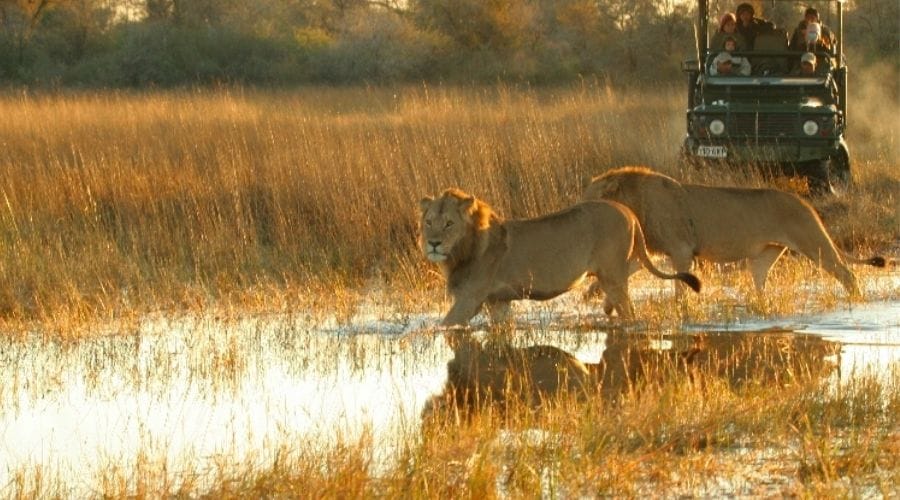
Night changes the safari completely. Animals that are quiet or hidden during the day become active, while familiar landscapes feel unfamiliar under the spotlight.
South Luangwa offers night drives as part of its safari experience, and conservancy-based experiences in Kenya can also provide opportunities depending on the camp and location. Night drives are especially valuable for travellers who have already experienced daytime game viewing and want to explore the nocturnal side of the ecosystem.
The experience is not simply about finding predators. Smaller nocturnal mammals, birds and insects can be just as fascinating, while the sounds and atmosphere of the bush create a completely different kind of memory.
Birdwatching: The Safari Within the Safari
Birding can transform a game drive. Instead of waiting for a lion or elephant, travellers begin noticing calls, colours, flight patterns and interactions between species.
South Luangwa has more than 400 recorded bird species, while the Masai Mara and Lower Zambezi also offer rich birding opportunities. Botswana’s wetlands create particularly strong habitats for waterbirds.
A safari itinerary does not need to be designed entirely around birding to benefit from it. Simply travelling with binoculars and a guide who enjoys identifying birds can add another layer to every destination.
Cultural Experiences That Add Context
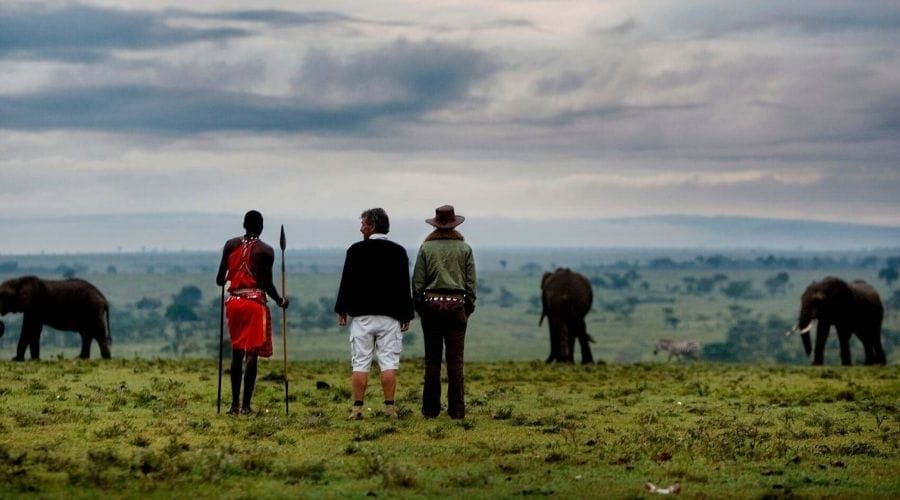
African safari destinations are not empty wildernesses; they are landscapes connected to communities, histories and traditions. Cultural experiences can help travellers understand the people who live alongside wildlife and the importance of local livelihoods to conservation.
In Kenya, the Masai Mara offers opportunities to learn about Maasai communities. In Zambia, Livingstone and selected safari areas can include village, market and community experiences. Botswana’s Okavango also provides opportunities to connect with local communities and guides.
The most meaningful cultural experiences are those approached with respect and curiosity. They should add understanding rather than feel like a performance inserted into an itinerary.
Luxury Bush Stays as an Experience
Where you stay can be as important as what you do. A riverside lodge changes the rhythm of a Zambia safari; a tented camp in the Masai Mara places the sounds of the bush around you; an Okavango camp can make the movement of water part of everyday life.
Across the Koncept Africa portfolio, properties such as Flatdogs Camp, Kafunta River Lodge, Tongabezi, Baines River Camp, Karen Blixen Camp, Karen Blixen Coffee Garden and Xaoo Safari Camp offer different ways to experience the landscape.
The goal is not simply to select the most luxurious room. It is to choose accommodation that supports the experiences you want: privacy, walking, river access, wildlife viewing, culture, photography or a slower pace.
How to Build an Experience-Led African Safari
Start with three or four experiences you genuinely want to remember. Perhaps it is walking through the bush, travelling silently by canoe, seeing Victoria Falls, watching a leopard at sunrise or spending an evening around a campfire.
Then choose destinations that make those experiences possible. South Luangwa works for walking and night drives; Lower Zambezi for river adventures; Livingstone for Victoria Falls and the Zambezi; the Masai Mara for wildlife and conservancy experiences; and the Okavango for water-based safari.
This approach creates a more coherent journey because every stop has a purpose. It also makes it easier to decide how many nights to spend in each place and which activities are worth prioritising.
First-time safari travellers often benefit from a balanced itinerary that includes classic game drives plus one or two distinctive experiences. Repeat visitors may prefer to go deeper into walking, birding, photography or conservation.
Couples may prioritise privacy, romantic dining, walking and scenic river experiences. Families may want flexible activities, comfortable accommodation and a mixture of wildlife and cultural experiences. Photographers may want longer drives, repeat sightings and destinations with varied light and habitats.
Designing the Perfect Mix for Different Travellers
Choosing a safari operator and accommodation with a clear approach to conservation can therefore be part of the travel decision itself.
Community and conservation experiences can help travellers understand these relationships. In Zambia, selected camps connect guests with community and conservation initiatives. In Kenya, conservancies link wildlife habitat with community land and tourism revenue. In Botswana, local guides and community relationships are an important part of the safari landscape.
Responsible travel is increasingly central to safari planning. The value of wildlife tourism is not only what travellers see; it is also how tourism supports conservation, local employment and the protection of habitats.
Conservation as Part of the Experience
Luxury camps across the portfolio use setting as part of the experience. Riverside properties can make lunch or sundowners feel connected to the landscape, while bush camps can turn a simple meal into a memorable outdoor moment.
The Role of Food, Dining & Camp Life
Thinking this way also helps avoid an itinerary where every day feels the same. The goal is not simply to see more animals, but to experience the continent in different ways.
Zambia, Kenya and Botswana each provide different combinations of these experiences. South Luangwa is strong for walking and night drives; Lower Zambezi brings the Zambezi River into the safari; the Masai Mara adds conservancy-based experiences; and the Okavango makes water part of everyday wildlife viewing.
One of the easiest ways to make a multi-country safari feel varied is to change the way you experience the landscape. A 4×4 game drive gives you reach and flexibility, a walking safari slows everything down, a canoe or mokoro changes your perspective and a scenic flight reveals the scale of the wilderness.
Safari by Land, Water & Air
Zambia can provide the walking and river chapters; Kenya can add the classic savannah and community dimension; Botswana can introduce the waterways of the Okavango. The result is a journey that feels deliberately designed rather than assembled from a list of famous places.
The strongest multi-country safaris have a sense of narrative. One destination introduces the traveller to the bush, another changes the perspective, and a final stop adds a cultural or natural landmark that gives the journey a sense of completion.
From Sightseeing to Storytelling
How to Turn a Safari Into a Personal Journey
The Experiences You Remember
The Luxury of Slowing Down
The itinerary can then be shaped around the experiences that matter most rather than trying to see every famous attraction. This is especially important on longer luxury trips, where comfort and pace are part of the experience.
Multi-country travel works best when each country has a clear role. Zambia can provide walking and river adventures, Kenya can bring the classic savannah and cultural dimension, and Botswana can introduce the Okavango’s waterways.
Building a Multi-Country Journey Without Losing Depth
Luxury safari is ultimately about more than the number of places visited. Giving each destination enough time allows travellers to slow down, enjoy their surroundings and build a genuine connection with the landscape.
A Journey With Room to Breathe
Frequently Asked Questions About Unique African Safari Experiences
1. What are the best safari experiences beyond game drives?
Walking safaris, canoeing, mokoro excursions, night drives, birdwatching, cultural experiences and river cruises are among the most rewarding alternatives.
2. Where can you do a walking safari in Africa?
Zambia, particularly South Luangwa, is one of the strongest destinations, with additional opportunities in Kafue and Lower Zambezi.
3. Where can you experience a mokoro safari?
The Okavango Delta in Botswana is the classic destination for mokoro excursions.
4. Where are the best river safaris in Africa?
Zambia’s Lower Zambezi is particularly strong for canoeing and boating, while Botswana’s Okavango offers a distinctive wetland experience.
5. Can luxury safaris include cultural experiences?
Yes. Carefully planned cultural visits can be integrated alongside wildlife and accommodation experiences.
Plan an Experience-Led African Safari
The best safari is rarely just a list of animals seen. It is the feeling of walking through the bush, the silence of a canoe, the sound of birds at dawn, the first sight of Victoria Falls or the conversations that change how you understand a landscape.
Koncept Africa can build a multi-country journey across Zambia, Kenya and Botswana around those experiences, selecting destinations and camps that make each part of the trip feel purposeful and distinct.
Jayesh Ashar
www.konceptafrica.com
Pearl Tourism & Leisure Group.
info@ptlg.biz