

A guide to exploring Botswana’s extraordinary wetland wilderness.
Why Visit the Okavango Delta?
The Okavango Delta is one of Africa’s most distinctive safari destinations: a vast inland wetland where water, islands, channels and floodplains create an ecosystem unlike a conventional dry savannah.
For travellers looking for a luxury Botswana safari, the Delta offers a rare combination of wildlife and water-based experiences. A morning can begin with a game drive, continue with a mokoro journey through the channels and end with sundowners as the light changes over the floodplains.
The Delta is also a destination where season matters. Water levels, wildlife movements and the balance between land and water activities change throughout the year, making the timing and location of a stay important parts of the planning process.
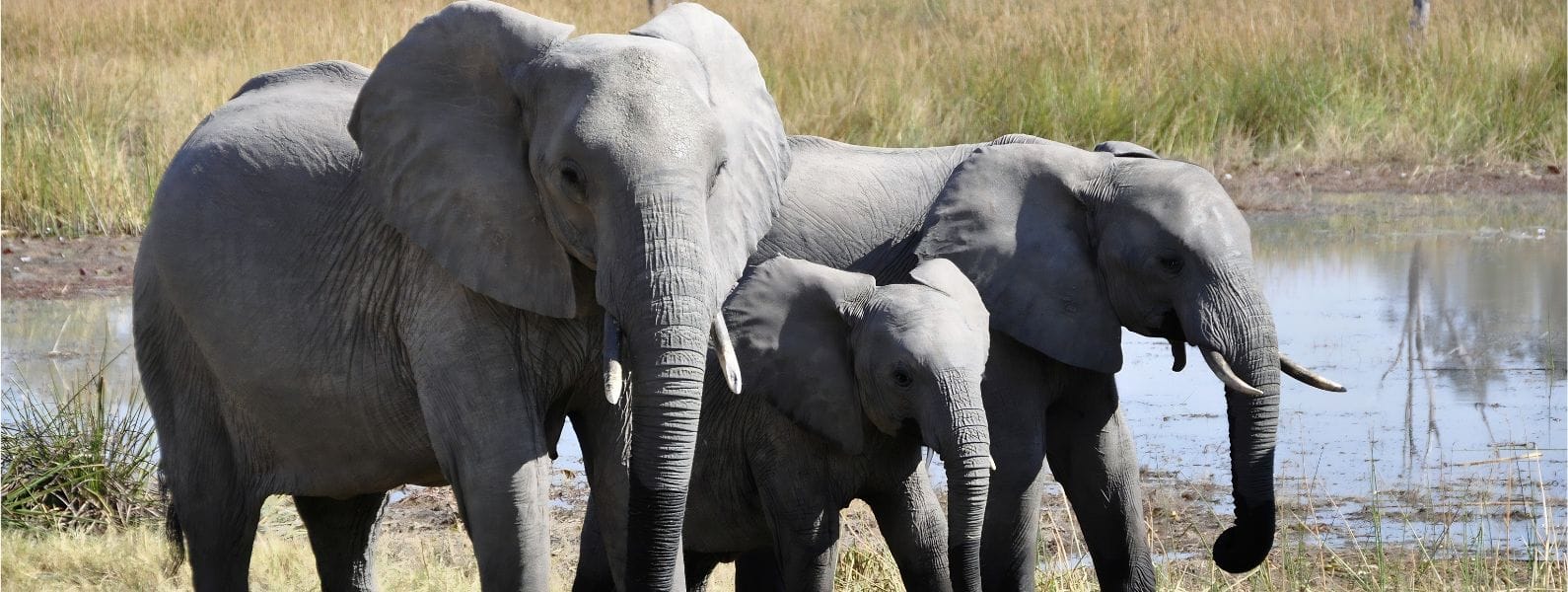
Wildlife in the Okavango Delta
Mokoro Safaris: The Signature Okavango Experience
At Xaoo Safari Camp, the mokoro experience is a central part of the stay, with local polers guiding guests through the waterways and sharing knowledge of the environment. The journey can be combined with a nature walk, allowing the experience to move from water to land.
Game Drives and Walking Safaris
Where to Stay: Okavango Collection & Xaoo Camp
The Okavango Collection is developing a circuit of independently owned camps across Botswana’s key wildlife areas. Its current portfolio includes MmaTsebe Tented Camp in Khwai and Tumani Tented Camp in Mababe, creating opportunities to combine different landscapes and safari experiences.
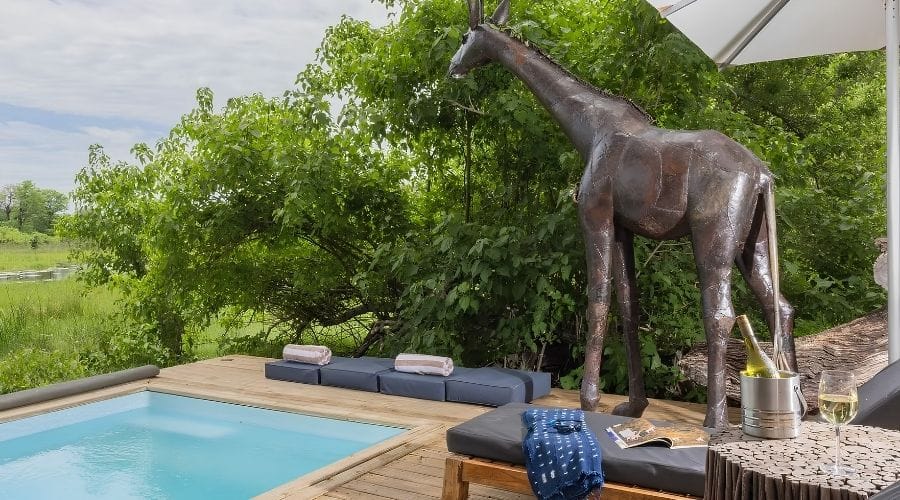
For travellers specifically looking for an Okavango Delta stay, Xaoo Safari Camp offers an intimate tented experience near Xoxao in the eastern Delta. The camp has six luxury tented chalets and combines water- and land-based activities with cultural experiences.
Choosing between camps should be based on the experience rather than the room alone. Consider whether you want year-round mokoro access, walking, game drives, community interactions, a more remote setting or a combination of destinations.
The Importance of the Seasons
Botswana’s dry season generally runs from May to October, while the wetter period is from November to April. In the Okavango, however, the relationship between rainfall and floodwater is more complex because the Delta’s annual flood arrives from rainfall in the Angolan highlands.
This creates a fascinating seasonal rhythm. Water levels, wildlife distribution, vegetation and access can change throughout the year. The best time therefore depends on whether the priority is classic game viewing, high water for boating and mokoro experiences, birding or lush scenery.
How Many Days Do You Need in the Okavango Delta?
Travellers can also combine the Okavango with other Botswana destinations such as Moremi or Chobe. A multi-region itinerary creates contrast between water-rich Delta landscapes and other wildlife habitats.
A multi-camp journey should still allow enough nights in each location. Moving too quickly can reduce the value of the safari because the landscape and wildlife rhythms take time to appreciate.
The Okavango Collection is developing a circuit that links independently owned camps in key wildlife areas, with MmaTsebe Tented Camp in Khwai and Tumani Tented Camp in Mababe forming part of that growing concept.
Travellers with more time can combine the Okavango with other Botswana regions to experience different habitats. The Okavango can be paired with Moremi or Chobe, depending on the desired wildlife and landscape contrast.
Planning a Multi-Camp Botswana Safari
At Xaoo Safari Camp, cultural experiences are part of the broader offering, alongside mokoro trips, nature walks and game drives. These interactions can add context to the landscape and help travellers understand that conservation and community life are closely connected.
Cultural Connections in the Delta
Water, Wildlife & Photography
How the Okavango Delta’s Flood Cycle Shapes a Safari
For a first visit, three or four nights at one well-chosen camp can be more valuable than trying to cover too much ground. Once travellers understand the rhythm of the Delta, a longer Botswana itinerary can build on it with other regions.
Okavango Delta for First-Time Safari Travellers
Because water levels and access can vary seasonally, current conditions and camp operating periods should be checked before finalising the itinerary.
Allow enough time for the Delta to reveal itself. Three nights is a useful starting point, while four or more nights can create a more relaxed experience with several activity types.
Think carefully about water versus land activities when choosing a camp. Some travellers want the classic mokoro experience, while others prioritise game drives or a balance of both.
Practical Tips for Planning an Okavango Safari
The Delta changes the basic idea of a safari. Water is not simply something animals drink from; it is the landscape through which travellers move, creating an experience that is unusually immersive.
Why the Okavango Feels So Different
For travellers combining camps, choose properties that create contrast rather than duplication. Moving from a water-focused stay to a different wildlife landscape can add much more value than simply changing rooms.
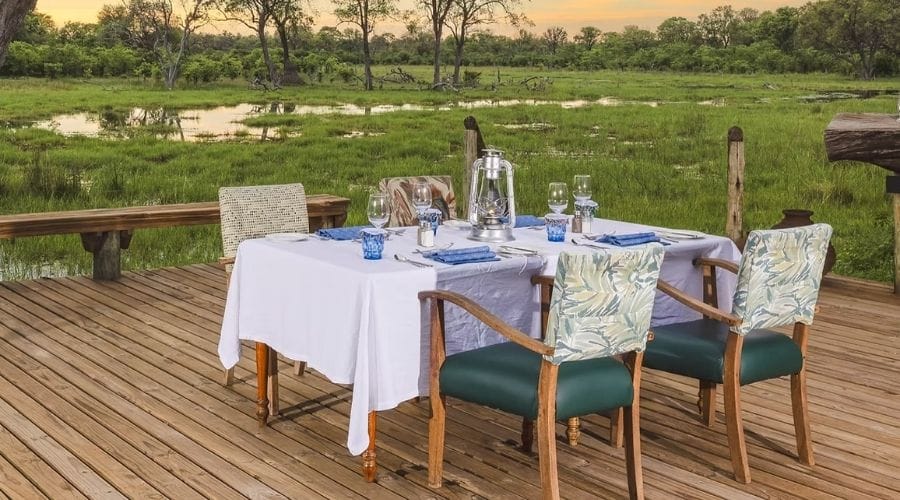
An intimate camp can also be valuable because the atmosphere of the property becomes part of the safari. Quiet decks, raised walkways, water views and small guest numbers can make the time between activities feel as memorable as the activities themselves.
Before choosing an Okavango camp, decide what you want your days to look like. If the priority is mokoro and water-based exploration, location and water access matter. If classic wildlife viewing is more important, look closely at the surrounding game areas and vehicle activities.
Choosing a Camp by Experience
This approach keeps the safari varied without sacrificing the slower rhythm that makes the Delta special.
Travellers with more time can add a second Botswana region for contrast. The Okavango can provide the water-based chapter, while another wildlife area can offer a different landscape and game-viewing style.
A first-time traveller can build a balanced three- or four-night stay around one game-drive day, one or more mokoro or boating experiences, a walking activity and time at camp. The exact mix should follow water levels and local conditions.
A Balanced Okavango Itinerary
Longer stays also make it easier to appreciate camp life, from quiet mornings to sunset views over the floodplains.
Four or five nights can be especially valuable for travellers who want to combine land and water activities without rushing. It gives the itinerary room to respond to weather, water levels and wildlife movements.
The Value of Staying Longer
Frequently Asked Questions About the Okavango Delta
1.What is the Okavango Delta famous for?
It is famous for its inland waterways, seasonal floodplains, exceptional wildlife and water-based safari experiences.
2. What can you do in the Okavango Delta?
Popular activities include mokoro excursions, game drives, walking safaris, boating, birdwatching and cultural experiences.
3. When is the best time to visit the Okavango Delta?
The answer depends on the desired experience. May to October is generally the dry season, while water levels in the Delta follow a distinctive seasonal flood cycle.
4. Where can you stay in the Okavango Delta?
Xaoo Safari Camp is an intimate option in the eastern Delta, while the Okavango Collection offers camps in key Botswana wildlife areas.
5. How many nights should you spend in the Okavango Delta?
Three nights is a good starting point, while four or more nights allows a more varied and relaxed safari.
Plan Your Botswana Safari
The Okavango Delta is best experienced slowly. Its waterways, wildlife and seasonal changes reward travellers who give the landscape time rather than trying to rush through a checklist of activities.
Koncept Africa can build a Botswana itinerary around the traveller’s preferred balance of water, wildlife, walking, culture and luxury accommodation.
Jayesh Ashar
www.konceptafrica.com
Pearl Tourism & Leisure Group.
info@ptlg.biz