Lower Zambezi National Park offers a safari experience shaped by water. Located along the Zambezi River in southeastern Zambia, the park combines open floodplains, riverine forest, woodland and the dramatic escarpment beyond the river to create one of the country’s most distinctive wildlife landscapes.
What makes a Lower Zambezi safari different is the ability to explore the wilderness from both land and water. Game drives can be followed by a canoe safari, a sunset boat cruise, a walking experience or a day of catch-and-release fishing. The result is a journey that feels active, varied and closely connected to the river.
For travellers searching for a luxury safari in Zambia, Lower Zambezi also offers a strong sense of privacy. The park’s remote setting and low visitor density allow wildlife encounters to unfold without the atmosphere of a crowded safari circuit.
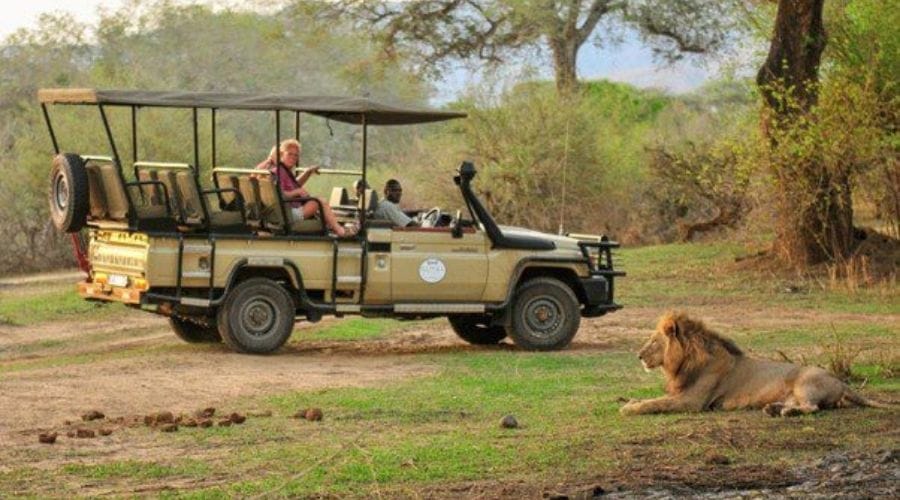
The river is central to the Lower Zambezi ecosystem. Elephants, hippos and crocodiles are particularly associated with the water, while lions, leopards, buffalo and a wide range of plains game can be found across the park.
Large elephant herds are one of the defining sights. From the water, it is possible to see animals approaching the river to drink or cool themselves, creating perspectives that are very different from a traditional vehicle-based safari.
Birdlife is another strength. Riverbanks, floodplains and woodland support a broad range of species, making the park rewarding for both specialist birders and casual observers. The combination of water, open landscapes and wildlife also creates strong photographic opportunities.
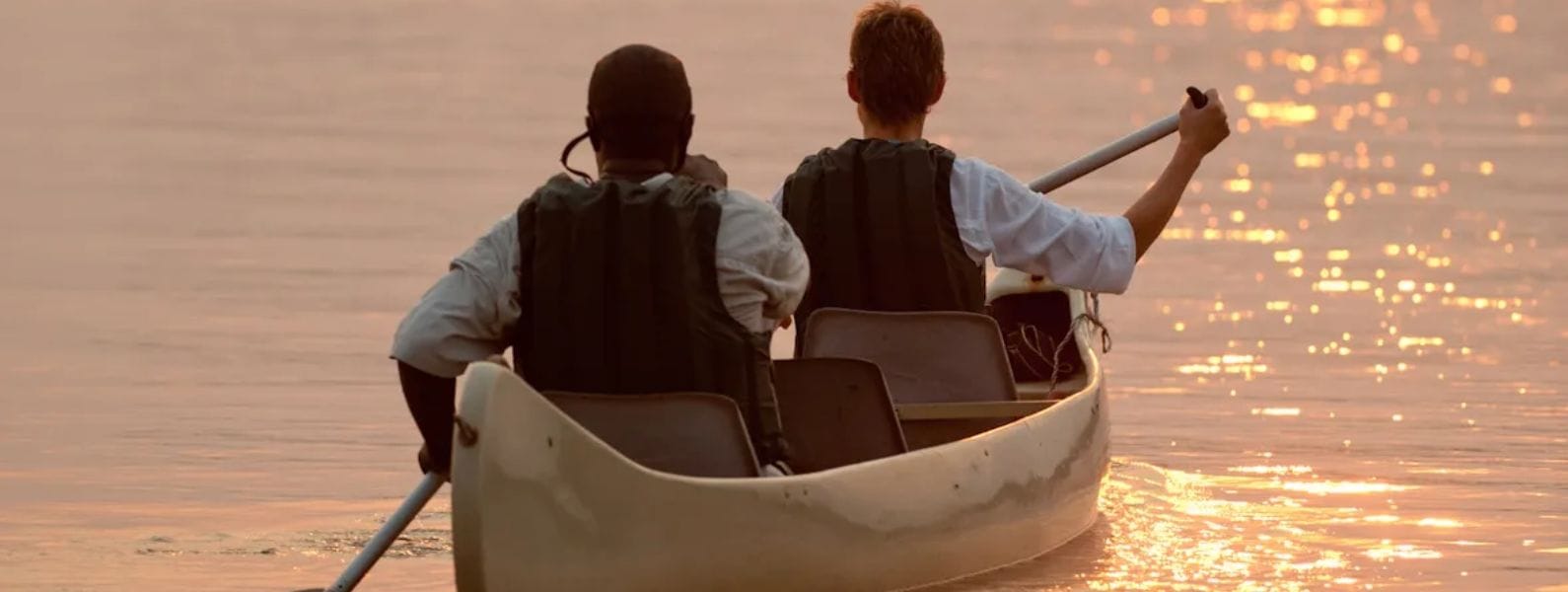
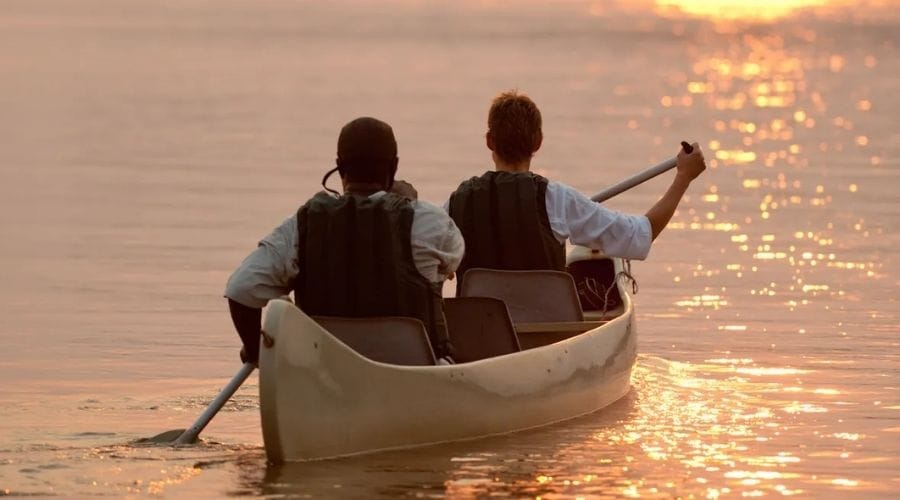
Canoeing is one of the signature Lower Zambezi experiences . Moving quietly along channels of the Zambezi allows travellers to experience wildlife from water level and observe the river without the sound and presence of a vehicle.
Boat safaris offer a different rhythm. A boat can cover more water, while sunset cruises create time to appreciate the landscape after the main heat of the day. For many travellers, the combination of a morning game drive and an afternoon on the river is what makes Lower Zambezi stand out.
The right camp depends on whether the priority is private guiding, river access, family travel, photography, fishing, walking or simply a luxurious base from which to explore. A well-designed itinerary can also use different camps to create contrast.
The dry season from June to October is generally considered the strongest period for classic wildlife viewing. As water becomes more limited away from the river, wildlife is often concentrated around reliable water sources, making the Zambezi a natural focal point.
The green season creates a different landscape, with more vegetation and a changing rhythm of wildlife and bird activity. Some lodges operate seasonally, so availability should be checked when planning travel outside the main dry-season window.
Travellers should choose dates according to the overall journey rather than a single weather statistic. If river activities and wildlife viewing are the priorities, the dry season is a dependable choice; if photography, birding and lush scenery matter most, the green season can be attractive.
Four or five nights allow travellers to slow down and repeat favourite activities. A longer stay is particularly worthwhile for photographers, anglers and travellers who want to experience the park at different times of day.
For a first visit, a three- or four-night stay at one well-positioned camp can be more rewarding than changing properties too often. The river, guiding and wildlife become easier to appreciate when the itinerary has enough time to settle into the destination.
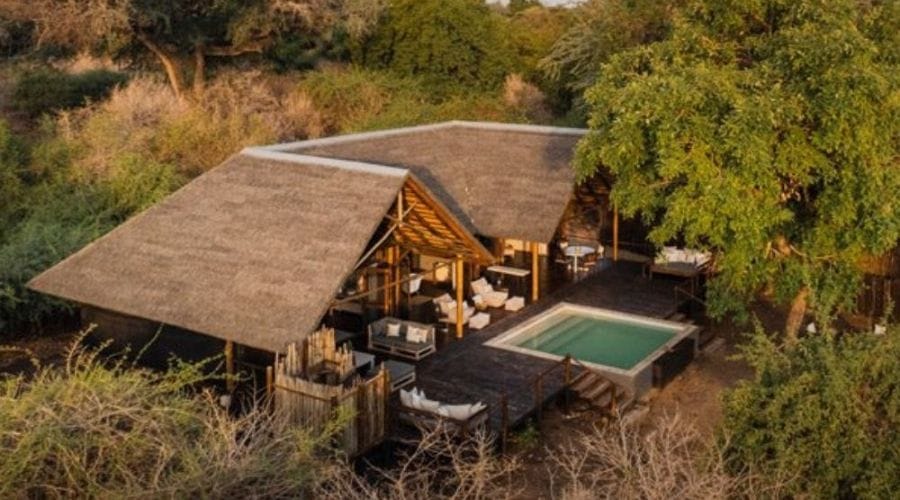
Choosing a camp should begin with the desired experience. Baines River Camp, Royal Zambezi, Sausage Tree Camp and Potato Bush Camp each offer different approaches to luxury accommodation and safari activities.
Lower Zambezi is remote, and many travellers access the park by scheduled or chartered flight from Lusaka to airstrips serving the region. This remoteness is part of its appeal, but it also means that transfers and flight connections should be coordinated carefully.
For travellers who are not specialist photographers or birders, the same variety simply means more to notice. The movement of the river, reflections, changing clouds and animal behaviour create visual interest even between major sightings.
Birdwatchers can use both boat and land activities to explore different habitats. Waterbirds are naturally prominent around the river, while woodland and open areas add another range of species.
Lower Zambezi is especially rewarding for photographers because the river creates layers in the landscape. Wildlife can appear against water, islands, woodland or the escarpment, while early morning and late afternoon light can dramatically change the scene.
Travellers can choose how much time they spend on land and water. For a couple, that might mean a private canoe outing and sunset cruise; for a family, it could mean a combination of game drives, fishing and shorter nature experiences; for a photographer, it may mean returning to the river repeatedly at different times of day.
Luxury in Lower Zambezi is closely connected to space and privacy. The riverfront setting creates a natural sense of seclusion, while private guiding at selected camps allows the day to be shaped around individual interests.
This flexibility is one of the strongest reasons to stay several nights. The first day may be about seeing the major wildlife species, while later days can focus on photography, fishing, birds, river scenery or simply enjoying the lodge.
Another day could be built around walking, followed by a relaxed lunch and an afternoon drive. The variety means that travellers can decide how active they want to be instead of following the same pattern every day.
Lower Zambezi is particularly good at giving travellers options. A day can begin with a sunrise game drive before breakfast, followed by time beside the river or at camp. Later, guests might choose a canoe, boat cruise or fishing experience before returning for sundowners.
This balance between comfort, adventure and privacy is one of the reasons Lower Zambezi remains such a compelling choice for a luxury Zambia safari.
The destination also works well for travellers who want luxury without losing the feeling of wilderness. The best camps keep the river and bush at the centre of the experience, so the sense of place remains strong even during time spent relaxing.
Lower Zambezi is flexible enough to suit very different travellers. Couples can build days around private guiding, river sunsets and intimate dining. Families can combine game drives with fishing, boating and shorter nature experiences. Photographers can use the river and escarpment as natural backdrops, while repeat safari travellers can focus on walking and water-based exploration.
Because the park is remote, coordinate flights, transfers and camp check-in as one itinerary. This keeps valuable safari time from being lost between connections.
Allow at least three nights if possible. The destination has enough variety that a longer stay adds depth rather than simply repeating the same activity.
Choose your camp based on the activities you most want to experience. A traveller interested in canoeing and fishing may have different priorities from someone focused on photography or walking.
It is this combination of land, water and intimate guiding that makes the Lower Zambezi particularly memorable for travellers who have already experienced a conventional safari.
Many safari destinations offer game drives; Lower Zambezi adds the rare ability to experience wildlife from water level. That shift in perspective is the destination’s defining advantage.
A longer stay also makes sense for photographers and repeat safari travellers. Different light conditions can completely change the appearance of the Zambezi, while returning to the same area can create opportunities for more thoughtful wildlife viewing.
Three nights is a practical starting point, but four nights can be even better for travellers who want to combine game drives with canoeing, boating, fishing and walking. The extra time allows the itinerary to adapt to weather and wildlife rather than forcing every experience into a fixed schedule.
Adding Lower Zambezi therefore makes sense not because it is another famous national park, but because it changes the way the traveller experiences wildlife.
It is also an excellent destination for travellers who value privacy. The riverfront camps, open landscapes and personalised guiding create a safari that can feel both adventurous and deeply relaxing.
Lower Zambezi adds a dimension that is difficult to recreate elsewhere in Zambia. After a walking- and game-drive-focused stay in South Luangwa or Kafue, the ability to move through the landscape by canoe or boat makes the journey feel completely new.