The Mara is known for big cats, large herbivore populations and the Great Migration, yet the destination remains compelling outside the migration period. Resident wildlife, birdlife, changing seasons and the opportunity to explore the Mara North Conservancy make it a strong choice for both first-time and repeat safari travellers.
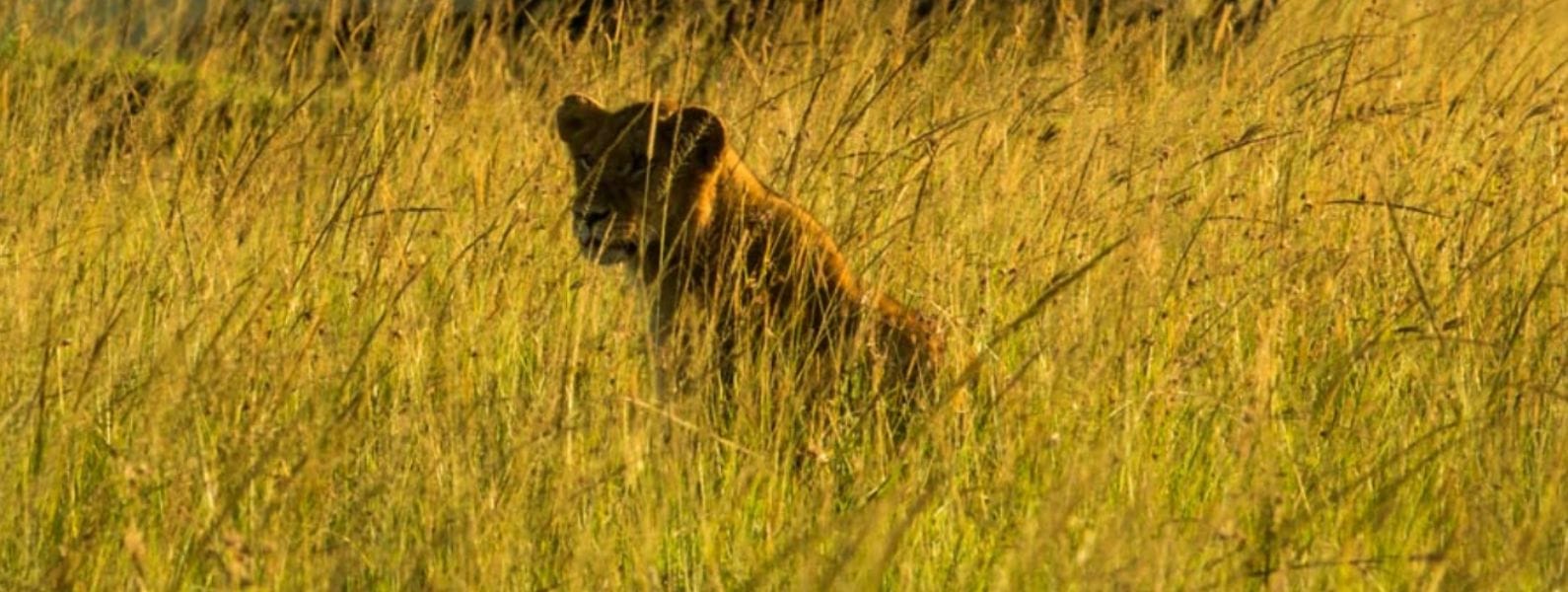
The Masai Mara is famous for lions, leopards and cheetahs, while elephants, buffalo, giraffes, zebras, wildebeest and numerous antelope species contribute to the richness of the ecosystem.
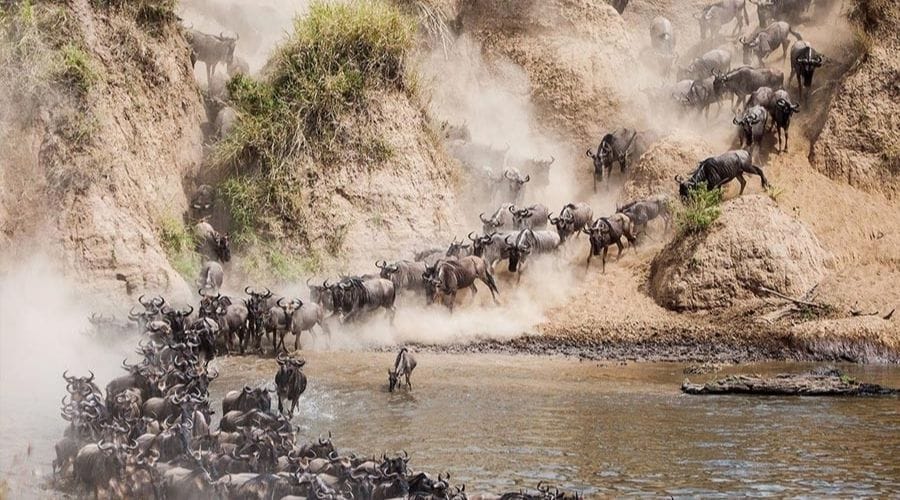
The annual Great Migration is one of the region’s most famous spectacles, with vast herds moving through the greater Mara-Serengeti ecosystem. Timing varies from year to year, so travellers should treat migration viewing as a seasonal possibility rather than a guaranteed event on a specific date.
Birdwatching is also rewarding. The open plains, river habitats and woodland areas support a wide variety of species, making birding an excellent complement to game drives.
Where you stay affects the style of game drive. Camps within conservancies can offer a more private experience with controlled vehicle density, while access to the main reserve can provide opportunities to explore areas associated with the broader Mara ecosystem.
Night drives are another reason to consider a conservancy-based stay. After dark, the bush changes character and nocturnal species become part of the safari story.
Walking provides a slower and more interpretive way to experience the Mara. Rather than covering large distances, guests focus on tracks, grasses, insects, birds and the smaller details of the ecosystem.
The Mara is also a living landscape for Maasai communities. Responsible cultural visits can help travellers understand local traditions, livelihoods and the relationship between communities and wildlife.
Karen Blixen Camp operates within Mara North Conservancy, where conservation is linked with community partnerships and controlled tourism. Guests can participate in community visits and learn about local life, while conservation-focused experiences can demonstrate how tourism can contribute to the protection of wildlife habitat.
For travellers who value responsible travel, these experiences can add meaning to the safari without taking attention away from the wildlife.
The camp combines comfortable tented accommodation with access to game drives, game walks, nature walks, night drives, birdwatching and balloon safari experiences. Its conservancy location is particularly relevant for travellers seeking a more private safari atmosphere and a broader activity programme.
The property can suit couples, families and wildlife-focused travellers, with the experience shaped around the season and the activities selected.
The Masai Mara can be visited throughout much of the year, but different seasons offer different advantages. The dry months are popular for wildlife viewing because vegetation is lower and animals can be easier to spot.
The migration period can add a spectacular seasonal dimension, but exact timing varies. Green seasons bring lush scenery, young animals and strong birding opportunities, and can offer a quieter atmosphere in some areas.
The right time therefore depends on whether the priority is migration, classic wildlife viewing, photography, birding or a balance of all four.
The best camp is the one that makes the preferred experience easy. Location, guiding, vehicle density, activity range and the season all matter.
Travellers should think about what they want to do before choosing where to stay. A conservancy-based camp may be ideal for guests who want walking and night drives, while a location closer to the reserve can prioritise access to particular wildlife areas.
Luxury safari is ultimately about flexibility. The best days are not necessarily the most packed; they are the ones that allow enough time to respond to wildlife sightings and enjoy the environment around the camp.
Afternoons can be used for another game drive, a walk, birdwatching or time at camp. A night drive, where available in the conservancy, can extend the experience beyond daylight.
A typical day can begin before sunrise, when the plains are cool and wildlife is active. After a game drive, guests can return to camp for breakfast and a slower morning.
This is one reason to choose the safari for the overall ecosystem rather than planning an entire trip around a single migration crossing.
Travellers who visit outside the peak migration window can still enjoy excellent wildlife. The Mara supports resident predators and herbivores throughout the year, and the landscape remains compelling even when the large herds are elsewhere.
The Great Migration is one of the Mara’s defining natural spectacles, but it is important to understand that it is a moving ecological event rather than a scheduled show. Herd movements respond to rainfall, grass and water, so exact timing can vary.
For travellers choosing accommodation, understanding the difference between reserve access and conservancy-based experiences can be just as important as comparing room styles.
Conservancies such as Mara North are often valued for controlled vehicle density and a more private atmosphere. They can also allow activities such as walking and night drives that may be restricted in the main reserve.
The wider Masai Mara ecosystem includes the Masai Mara National Reserve and surrounding conservancies. These areas are connected ecologically but can offer different visitor experiences and activity rules.
The goal is not to maximise the number of sightings. It is to create enough time for the Mara to feel immersive, with wildlife, landscape and camp life all becoming part of the journey.
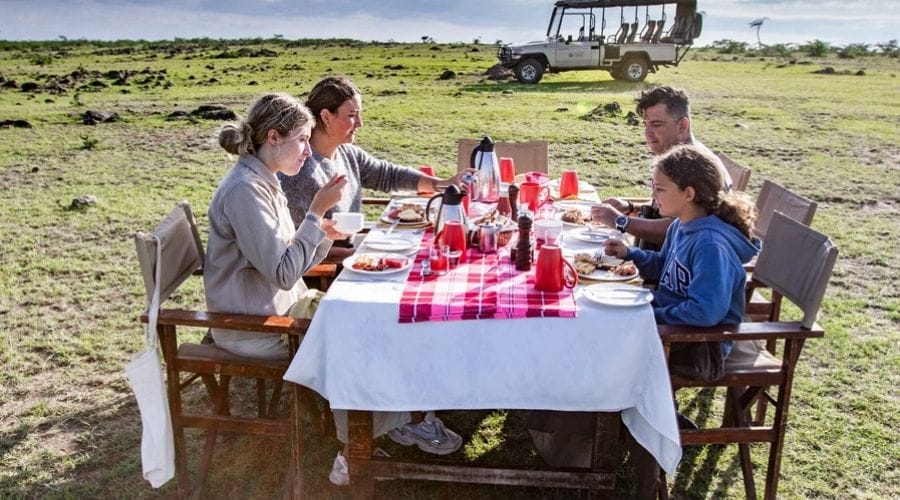
Leaving room for a long morning drive, an unhurried breakfast and a second outing later in the day can make the safari feel less rushed. A conservancy-based stay can add walking and night experiences, giving travellers more ways to experience the landscape.
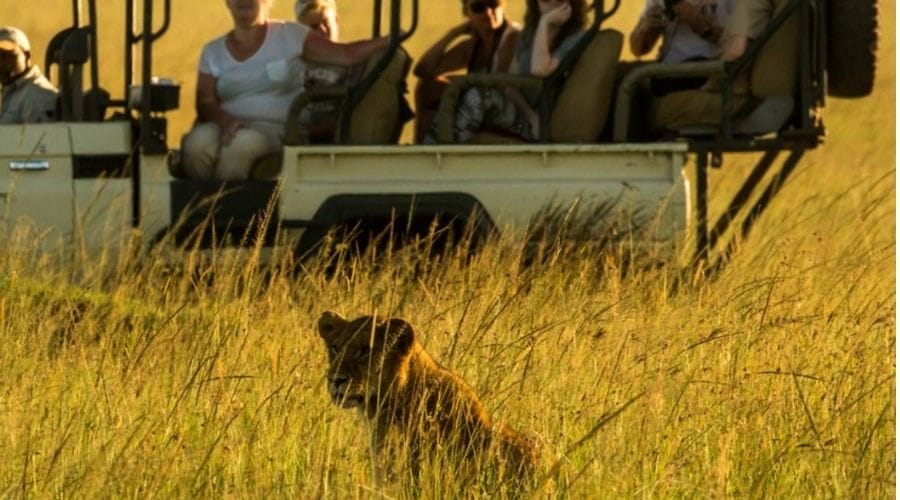
The Masai Mara rewards early starts, patience and flexibility. Wildlife does not follow a timetable, and some of the most memorable moments can happen when a vehicle pauses rather than when it is actively searching.
Three to four nights gives most first-time visitors enough time to experience the Mara without rushing. Longer stays are ideal for travellers who want photography, walking, birding or a slower pace.
If migration viewing is important, build some flexibility into the trip because wildlife movements are influenced by weather and grazing conditions. A good safari remains worthwhile even when the herds are elsewhere.
Choose the area first and the room second. A camp’s location determines access, activity options and the style of wildlife experience you will have.
Choosing the right camp and activity mix can therefore matter just as much as choosing the month of travel.
The Great Migration may be the headline, but the Masai Mara’s resident wildlife, dramatic landscapes and conservancy experiences make it a destination worth visiting throughout the year.
For travellers who want both, a conservancy-based camp such as Karen Blixen Camp can be an especially useful choice.
A conservancy stay can add a different rhythm to a Masai Mara safari. Lower vehicle density, walking opportunities and night activities can make the experience feel more private and varied, while access to the broader Mara ecosystem keeps classic wildlife viewing at the centre.
The same principle applies to photography. Allowing time for observation rather than rushing between sightings can produce stronger images and a more memorable safari.
That is why three or four nights can be more valuable than a very short visit. More time means more opportunities for different habitats, changing light and different types of activity.
A strong Masai Mara itinerary gives wildlife room to surprise you. Guides may spend time in one area because tracks, calls or animal behaviour suggest something is about to happen, and patience can produce more meaningful encounters than constantly moving between locations.
These experiences also help break up several days of vehicle-based viewing and give travellers a more rounded understanding of the Mara.
A Masai Mara safari becomes more varied when time is given to experiences around the drive itself. A guided walk can reveal the smaller ecosystem, while birding and cultural visits add context to the landscape.