

South Africa’s Western Cape is reinforcing its position as one of Africa’s most forward-thinking conservation regions, with a significant expansion of its protected areas.
This is not just an environmental milestone. It is a strategic shift that strengthens biodiversity, enhances tourism potential, and redefines how destinations balance preservation with experience.
A Landmark Expansion
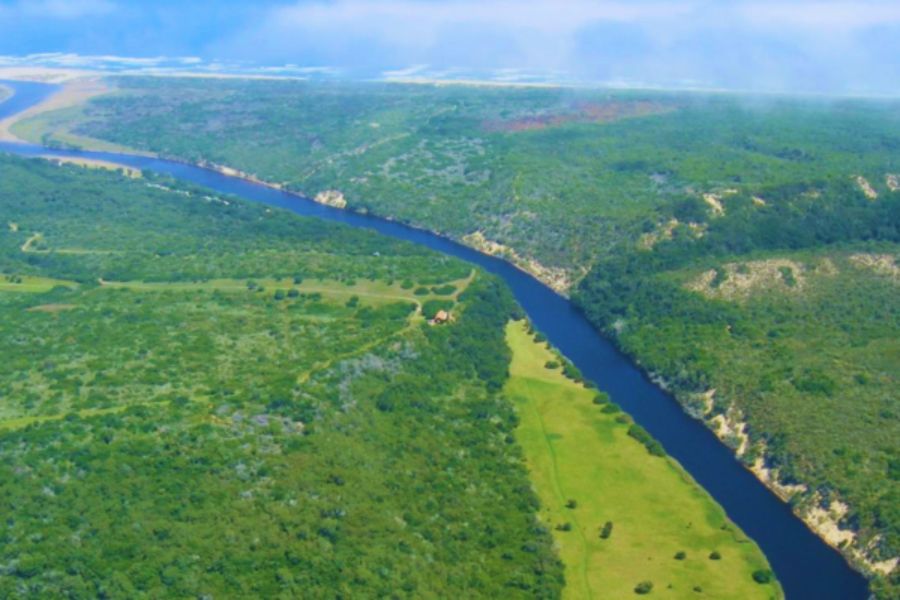
Over the past year, the Western Cape has added more than 80,000 hectares of ecologically significant land to its protected area network, through the declaration of more than 20 new nature reserves.
These reserves span some of the province’s most diverse and iconic regions, including the Cederberg, Agulhas Plain, Little Karoo, and the Garden Route.
The scale of this expansion reflects a clear commitment. Protect the landscape, and the future follows.
Protecting a Global Biodiversity Hotspot
At the heart of this initiative lies the Cape Floristic Region, one of the world’s most important biodiversity hotspots.
This region is home to an extraordinary concentration of plant species found nowhere else on earth, yet it remains highly vulnerable to environmental pressures.
By expanding protected areas, the Western Cape is actively safeguarding these ecosystems while ensuring long-term ecological resilience.
This is conservation at scale, but with precision.
A Collaborative Model for Conservation
What makes this expansion particularly compelling is its structure.
Through CapeNature’s Biodiversity Stewardship Programme, private landowners are voluntarily contributing their land to become officially recognised protected areas.
This creates a powerful model where conservation is not limited to government land, but becomes a shared responsibility across stakeholders.
It is a shift from ownership to stewardship. And it is working.
Aligning with a Global Vision
The expansion directly contributes to the global 30 by 30 initiative, which aims to protect 30% of the planet’s land and oceans by 2030.
For the Western Cape, this is more than alignment. It is leadership.
Local action, executed at scale, is what will define the success of global conservation goals.
The Impact on Travel
For travellers, this evolution opens up a different kind of journey.
More protected land means:
- richer biodiversity
- more immersive nature experiences
- greater access to untouched landscapes
It also strengthens the foundation for sustainable tourism, where experiences are built around preservation rather than exploitation.
This is where modern travel is heading.
The Western Cape is not simply expanding land. It is an expanding intent.
In a world where destinations are increasingly competing for attention, those that invest in their natural capital will define the future of travel.
Protected areas are no longer just ecological assets. They are experiential assets.
Places where travellers can disconnect, reset, and engage with something real.
This expansion signals something deeper.
Africa is not waiting to be preserved. It is actively shaping its own future.
And in regions like the Western Cape, that future is being built with clarity, responsibility, and vision.
Jayesh Ashar
www.konceptafrica.com
Pearl Tourism & Leisure Group.
info@ptlg.biz